Back to exercises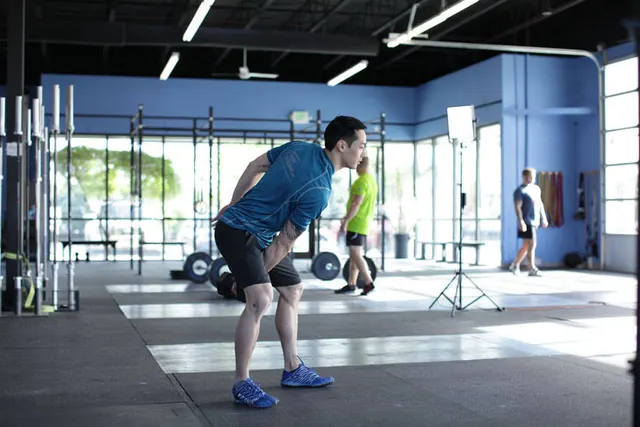
Vertical Swing, starting position 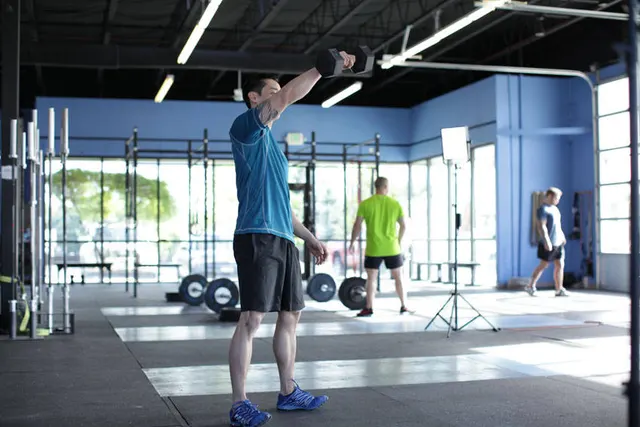
Vertical Swing, finishing position
PlyometricsbeginnerDumbbell
Vertical Swing
Primary
Hamstrings
Secondary
Glutes, Quadriceps, Shoulders
Equipment
Dumbbell
Level
beginner
Vertical Swing demonstration
How to Perform
- 1Allow the dumbbell to hang at arms length between your legs, holding it with both hands. Keep your back straight and your head up.
- 2Swing the dumbbell between your legs, flexing at the hips and bending the knees slightly.
- 3Powerfully reverse the motion by extending at the hips, knees, and ankles to propel yourself upward, swinging the dumbell over your head.
- 4As you land, absorb the impact through your legs and draw the dumbbell to your torso before the next repetition.
Video Tutorial
Tips & Common Mistakes
- •Focus on controlled movements rather than speed or momentum
- •Maintain proper breathing - exhale during the exertion phase
- •Start with lighter weight to master the form before progressing
- •This is a great exercise for beginners - focus on form over reps
- •As a compound movement, this exercise works multiple muscle groups efficiently
Muscles Worked
Front
Back
HamstringsGlutesQuadricepsShoulders
Exercise Details
- Category
- Plyometrics
- Force
- pull
- Mechanic
- compound
- Level
- beginner
Exercise Variations
Frequently Asked Questions
What muscles does Vertical Swing work?
Vertical Swing primarily targets the Hamstrings. It also works the Glutes, Quadriceps, Shoulders as secondary muscles.
What equipment do I need for Vertical Swing?
Vertical Swing requires Dumbbell.
Is Vertical Swing suitable for beginners?
Yes, Vertical Swing is suitable for beginners. It's classified as a beginner-level exercise.
Alternatives to Vertical Swing
Substitute any of these when the equipment is taken or unavailable. They train the same primary muscles.