Back to exercises
CardiointermediateOther

Skating

Primary
Quadriceps
Secondary
Abductors, Adductors, Calves, Glutes, Hamstrings
Equipment
Other
Level
intermediate

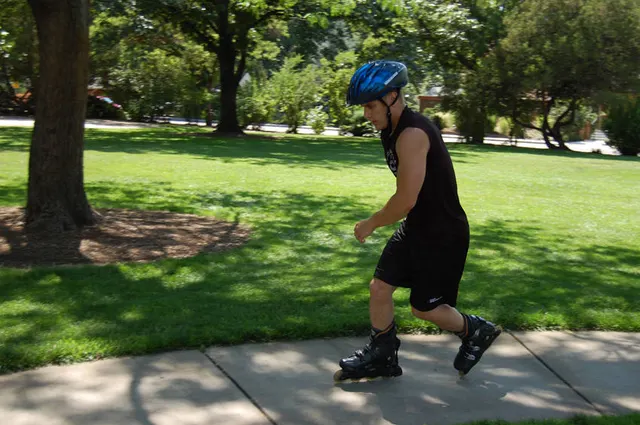
Skating demonstration

Skating, starting position
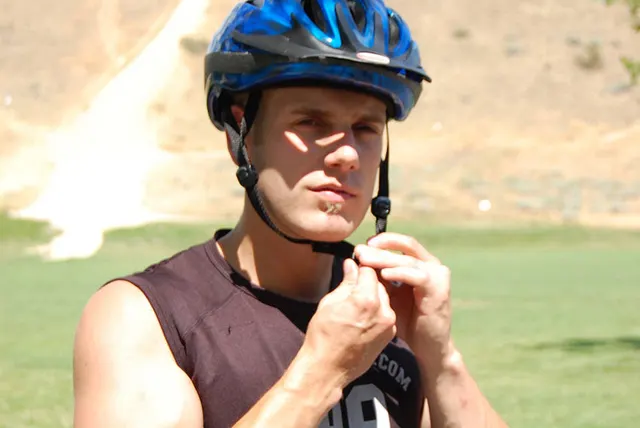
Skating, finishing position

How to Perform

  1. 1Roller skating is a fun activity which can be effective in improving cardiorespiratory fitness and muscular endurance. It requires relatively good balance and coordination. It is necessary to learn the basics of skating including turning and stopping and to wear protective gear to avoid possible injury.
  2. 2You can skate at a comfortable pace for 30 minutes straight. If you want a cardio challenge, do interval skating — speed skate two minutes of every five minutes, using the remaining three minutes to recover. A 150 lb person will typically burn about 175 calories in 30 minutes skating at a comfortable pace, similar to brisk walking.

Video Tutorial

Tips & Common Mistakes

  • •Focus on controlled movements rather than speed or momentum
  • •Maintain proper breathing - exhale during the exertion phase
  • •Start with lighter weight to master the form before progressing
Muscles Worked

Front
Back
QuadricepsAbductorsAdductorsCalvesGlutesHamstrings

Exercise Details

Category
Cardio
Force
N/A
Mechanic
N/A
Level
intermediate

Want workout programs?

Get structured workout plans using this exercise and more.

Browse Programs

Frequently Asked Questions

What muscles does Skating work?

Skating primarily targets the Quadriceps. It also works the Abductors, Adductors, Calves, Glutes, Hamstrings as secondary muscles.

What equipment do I need for Skating?

Skating requires Other.

Is Skating suitable for beginners?

Skating is classified as intermediate level. Beginners should master foundational movements first.

Alternatives to Skating

Substitute any of these when the equipment is taken or unavailable. They train the same primary muscles.