Back to exercises
Olympic WeightliftingintermediateBarbell

Olympic Squat

Primary
Quadriceps
Secondary
Calves, Glutes, Hamstrings
Equipment
Barbell
Level
intermediate

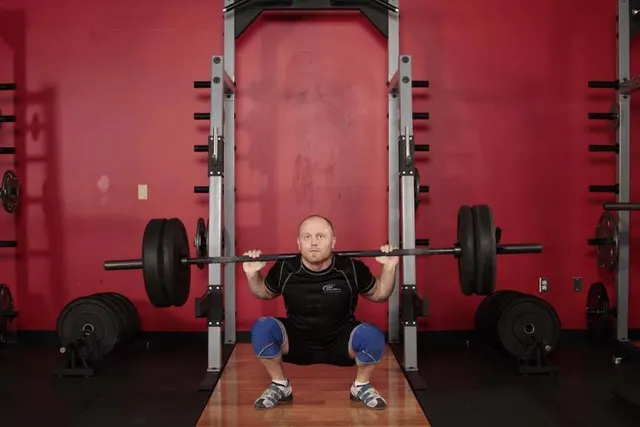
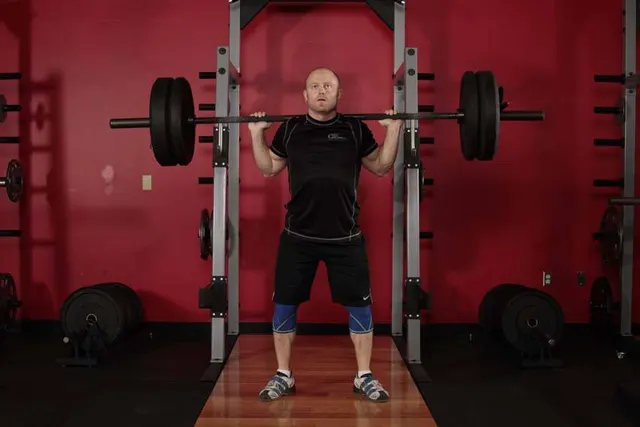
Olympic Squat demonstration

Olympic Squat, starting position
Olympic Squat, finishing position

How to Perform

  1. 1Begin with a barbell supported on top of the traps. The chest should be up, and the head facing forward. Adopt a hip width stance with the feet turned out as needed.
  2. 2Descend by flexing the knees, refraining from moving the hips back as much as possible. This requires that the knees travel forward; ensure that they stay aligned with the feet. The goal is to keep the torso as upright as possible. Continue all the way down, keeping the weight on the front of the heel.
  3. 3At the moment the upper legs contact the lower, reverse the motion, driving the weight upward.

Video Tutorial

Tips & Common Mistakes

  • •Focus on controlled movements rather than speed or momentum
  • •Maintain proper breathing - exhale during the exertion phase
  • •Start with lighter weight to master the form before progressing
  • •As a compound movement, this exercise works multiple muscle groups efficiently
Muscles Worked

Front
Back
QuadricepsCalvesGlutesHamstrings

Exercise Details

Category
Olympic Weightlifting
Force
push
Mechanic
compound
Level
intermediate

Want workout programs?

Get structured workout plans using this exercise and more.

Browse Programs

Frequently Asked Questions

What muscles does Olympic Squat work?

Olympic Squat primarily targets the Quadriceps. It also works the Calves, Glutes, Hamstrings as secondary muscles.

What equipment do I need for Olympic Squat?

Olympic Squat requires Barbell.

Is Olympic Squat suitable for beginners?

Olympic Squat is classified as intermediate level. Beginners should master foundational movements first.

Alternatives to Olympic Squat

Substitute any of these when the equipment is taken or unavailable. They train the same primary muscles.